How to Recognize Facial Signs of Cell Salt Deficiencies
“Read in your face what you and your loved ones are missing.” — Kurt Hickethier
The facial diagnosis or facial analysis of cell salt deficiencies was pioneered in Germany by Dr. Wilhelm Schuessler, founder of the 12 cell salts mineral therapy. It was later documented in detail by Kurt Hickethier, who published his book “Sonnerschau: Lehrbuch der Antlitz-Diagnostik” (“Sonnerschau: Textbook about the Facial Diagnosis”) in 1936.
The facial diagnosis of cell salts was further developed in the second half of the 20th and in the 21st century by followers of Schuessler and Hickethier.
Within this tradition, specific changes in facial color, shine, texture, lines, and structure are interpreted as signs of particular cell salt deficiencies. These facial signs can help guide the selection of one or more cell salts as part of your wellness routine.
The Importance of Mineral Balance in Your Body
Every organ in the body is composed of cells, and minerals play an essential role in normal cellular function. The 12 cell salts include mineral compounds based on calcium, potassium, sodium, iron, magnesium, and silica, combined in forms that include phosphates, chlorides, sulfates, and fluoride. Within the Schuessler system, they are used to support mineral balance and everyday well-being.
Cell salts can be used at different stages of life and alongside other wellness practices. They are valued for their gentle, flexible approach and can be selected individually or combined according to a person’s overall picture.
What Is the Facial Diagnosis?
The original German term for the method is Antlitzdiagnostik, which can be translated as Facial Diagnostics. In English, the traditional method is more commonly known as Facial Diagnosis. Facial Analysis is the broader modern term encompassing original signs of traditional Facial Diagnosis as well as later developments and additional observations.
Facial Diagnosis looks closely at the appearance of the face, including the:
- skin
- eyelids and area around the eyes
- temples
- cheeks
- nose
- ears
The traditional method pays particular attention to color, shine, texture, lines, dips, spots, and other characteristic change.
Some signs are subtle and take considerable training to distinguish. Others are easier to recognize and can provide an interesting introduction to this part of the Schuessler tradition.
The 12 signs below include both traditional Facial Diagnosis signs and later Facial Analysis observations that are relatively easy to recognize and point to a need for individual cell salts.
12 Must-Know Schuessler Cell Salt Facial Signs
1. Wrinkles and Deep-Set Eyes
A lack of Silicea (Silica) is associated with a tendency toward pronounced or premature wrinkles, particularly crow’s feet and lines around the eyes, corners of the mouth, and on the forehead.
The cell salt Silica is closely linked with connective tissue strength and healthy collagen-rich structures. Deep-set eyes or hollow-looking spaces above the eyes are also characteristic Silica signs.


2. Greasy or Oily Shine, Blackheads, and Combination Skin
A greasy or oily shine on the face indicates a need for Natrum Phosphoricum (Nat Phos). It often begins around the wings of the nose and may gradually spread across most of the face, typically sparing the area around the eyes. Blackheads, small red blemishes, and combination skin can also be part of the Nat Phos facial picture.
Within the Schuessler system, Nat Phos is closely associated with pH balance, acid-base balance, digestion, and fat metabolism. A greasy facial shine is usually a characteristic Nat Phos sign.

3. Large Pores, Moist, or Dry Skin
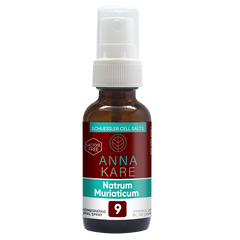
Natrum Muriaticum (Nat mur) is traditionally associated with the distribution and balance of water in body tissues.
In Facial Diagnosis, one sign of needing Nat Mur is a slightly gelatinous or moist-looking appearance of the skin with enlarged pores. Unlike other facial shines, the Nat Mur shine typically begins around the eyes and may gradually spread across the entire face.
The Nat Mur picture can include seemingly opposite tendencies toward too much or too little moisture. Dry skin and dryness in other body tissues are also characteristic of the broader Nat Mur picture.
4. Yellow and Discharging Blemishes and Acne-Prone Skin
Calcarea Sulphurica (Calc Sulph) is a classic cell salt for acne-prone skin, including teenage skin, especially when blemishes are inflamed, slow to clear, or develop a yellow appearance or discharge.
Pustules, slow-healing grazes or minor wounds, and yellowish secretions are characteristic signs in the broader Calc Sulph picture. The discharge may sometimes show small reddish or blood-tinged streaks. Yellowish expectoration during a cough or cold can also be part of the traditional Calc Sulph pattern.

5. Redness, Visible Capillaries, and Rough, Bumpy Skin
Localized redness on the cheeks and around the nose, including small red bumps and visible fine capillaries or spider veins, can point to a need for Kali Muriaticum (Kali Mur).
Kali Mur is linked with fibrin, a protein involved in healthy coagulation and tissue repair. A lack of Kali Mur is connected with fibrin becoming less well regulated and thicker or more sluggish body fluids.
Rough, bumpy “chicken skin,” including small white, skin-colored, or reddish bumps often seen on the upper arms and thighs, can also be part of the broader Kali Mur picture.

6. Brown and Yellow Spots, Age Spots, and White Patches
Brown or yellow spots and blotches, age spots, uneven skin tone, and contrasting white patches often call for Kali Sulphuricum (Kali Sulph).
Within the Schuessler system, Kali Sulph is closely linked with oxygenation and lubrication of body tissues. Scaly skin, dandruff, eczema-prone skin, and yellowish, sticky secretions are also characteristic Kali Sulph signs.

7. General Facial Redness
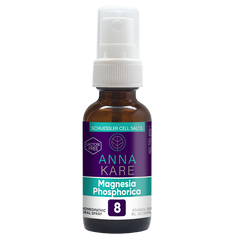
A tendency toward generalized flushing or redness of the face, sometimes extending toward the neck and upper chest, is associated with a lack of Magnesia Phosphorica (Mag Phos).
Mag Phos supports the nervous system and muscles. Red coloring may appear with emotions such as surprise or embarrassment, but it can also become more pronounced during periods of sustained stress, tension, or physical strain.
8. Dark or Black Circles Under Eyes
Dark or blackish circles underneath the eyes point to needing Ferrum Phosphoricum (Ferr Phos), especially when they appear alongside fatigue, physical exertion, or the early signs of feeling run down.
Ferr Phos is traditionally known as the cell salt of the first inflammatory stage and is closely linked with oxygen transport. It is often considered after strenuous exercise, during periods of physical depletion, or at the very beginning of seasonal discomfort when the body is mounting its first response.

9. Puffiness or Bags Under Eyes
Puffiness or bags underneath the eyes are characteristic signs associated with Natrum Sulphuricum (Nat Sulph) depletion.
A persistently red nose can also be part of the Nat Sulph facial picture. Within the Schuessler system, Nat Sulph is traditionally known as the liver cell salt and is closely linked with fluid balance, elimination, and the healthy flow of bile.
It is often considered when the body is holding onto excess fluid or needs support with its natural elimination processes.

10. Fullness Around the Cheeks or a Double Chin
Changes in the contours around the cheeks or chin can mean it's time to reach for Natrum Phosphoricum (Nat Phos).
Nat Phos is closely linked with pH balance, digestion, fat metabolism, and healthy weight regulation. It is often considered when the overall picture suggests sluggish fat metabolism or difficulty maintaining metabolic balance.
11. Translucent-Looking Tips of Teeth
A more translucent appearance at the edges of the teeth can indicate a lack of the calcium cell salts, particularly Calcarea Fluorica (Calc Fluor) and Calcarea Phosphorica (Calc Phos).
Calc Fluor is traditionally linked with tooth enamel, elasticity, and the outer structure of the teeth, while Calc Phos is closely associated with dentin, bones, teeth, and healthy development. Calc Fluor is sometimes called the “dentist” among the cell salts because of its longstanding connection with tooth structure and elasticity. It is also traditionally considered during orthodontic changes, including braces and periods when the palate and jaw are developing.
Silicea (Silica) adds another important dimension. It is traditionally associated with strength and resilience and is often considered when there is a tendency toward brittleness — physically as well as mentally.
Together, Calc Fluor, Calc Phos, and Silica form an especially complementary trio for tooth and bone support, which is why all three are included in our Bone & Teeth Health Cell Salts blend.

(Calc Fluor, Calc Phos, Silica)
12. Sunken Temples and Cheeks
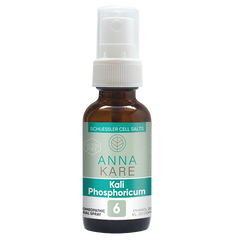
A hollow or sunken appearance around the temples or cheeks, particularly when accompanied by a tense or weary expression, is the facial sign of Kali Phosphoricum (Kali Phos) depletion.
Facial Diagnosis experts point out that this refers to a noticeable drawn appearance, rather than a naturally hollow temple shape or prominent cheekbone structure that is simply part of a person’s facial anatomy.
Kali Phos is known as the nerve salt and has long been considered when mental exertion, nervous tension, fatigue, or emotional strain are prominent.
A persistently lifted or tense appearance of the eyebrows can also be part of the Kali Phos facial picture.
How to Take Cell Salt Sprays?
AnnaKare offers the traditional Schuessler cell salts as convenient liquid oral sprays, precisely prepared to HPUS (Homeopathic Pharmacopoeia of the United States) standards. Our single cell salt sprays are vegan and made without lactose, sugar, or gluten, making them an alternative to traditional tablets for people who prefer a sugar-free, clean liquid format with a minimum of inactive ingredients.
Cell salts are easy to take on their own, and several salts can be combined when more than one fits your facial or overall wellness picture.
Take 2 sprays or squirts 3 times a day, or as recommended by your healthcare practitioner. You can take the sprays directly or squirt them into a small amount of water or your water bottle if preferred.
Lactose-Free, Sugar-Free Cell Salts Kit
Interested in adding all 12 cell salts to your natural medicine cabinet? Our AnnaKare Cell Salts Kit includes all 12 clean cell salt sprays for the price of 9.

12 oral sprays for the price of 9.
About Kurt Hickethier
Kurt Hickethier became one of the most important figures in the development of Schuessler Facial Diagnosis.
Building upon Dr. Wilhelm Schuessler’s system of 12 cell salts, Hickethier devoted decades to studying the facial characteristics he associated with individual salts. He developed a rigorous method of observation and documented his work in Sonnerschau: Lehrbuch der Antlitz-Diagnostik.
His interest in the method was deeply personal. Hickethier turned to Schuessler’s teachings while dealing with his own health challenges and became increasingly convinced that characteristic changes in the face could offer clues about which cell salts were lacking. He went on to devote much of his life to refining and teaching the method.
His work was also shaped by the political upheavals of his time. In 1938, Hickethier was banned from practicing by the Nazi regime for political reasons, and his treatment centers were confiscated. After World War II, he again lost property under the Soviet occupation and eventually rebuilt his work in western Germany.
Hickethier’s method placed great importance on the conditions under which the face was observed and on learning to distinguish subtle differences in color, shine, texture, and structure.
Later generations of practitioners continued and expanded the practice. Today, both Facial Diagnosis and Facial Analysis are used to describe approaches based on reading cell salt signs in the face.
For a deeper look at Hickethier’s method and the history of Facial Diagnosis, read How to Identify Cell Salt Deficiencies in Your Face.
Facial Diagnosis is a traditional method used within the Schuessler cell salt system and is presented here for educational purposes. It should not be used to diagnose a medical condition. Product descriptions are grounded in homeopathic practice and have not been evaluated by the U.S. Food and Drug Administration.