Perimenopause and menopause can bring a wide range of physical and emotional changes. Hot flashes and night sweats may be the most recognizable, but many women also experience interrupted sleep, irritability, nervous tension, fatigue, mental clouding, dryness, joint and muscle discomfort, and a general sense of feeling unsettled.
For women looking for natural ways to support hormonal balance and feel more at ease through these changing patterns, Schuessler cell salts offer a system of 12 mineral remedies in carefully prepared low potencies – traditionally understood to support the body at the cellular level. Each cell salt is considered according to the symptoms and qualities that stand out most.
One woman may be most affected by sudden heat and flushing. Another may notice emotional sensitivity, difficulty staying asleep, or changes in moisture balance. Because several patterns can overlap or shift over time, there is rarely one cell salt that speaks to every part of the experience.
Still, one cell salt holds a particularly important place.
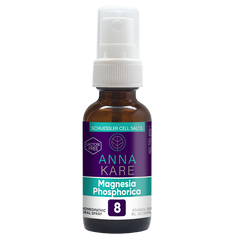
Mag Phos: A Key Cell Salt During Menopause
Mag Phos is traditionally considered one of the key cell salts during perimenopause and menopause.
Known as the cell salt for nerves, tension, and relaxation, Mag Phos becomes especially relevant when the body feels overstimulated, overextended, or challenged by new changes and demands. During this phase of life, hormonal shifts may coincide with important decisions at work, caregiving responsibilities at home, high expectations of oneself, and other sources of stress, making it harder for the body to settle and recover.
Mag Phos may be considered when:
- stress feels strongly expressed through the body;
- the nervous system feels strained or “on” for too long;
- restlessness makes it difficult to relax or settle;
- heat arrives suddenly or in waves;
- tension, tightness, or cramping accompanies the broader stress picture.
Mag Phos is central to the traditional menopause picture, but it does not stand alone. Other cell salts become important depending on whether heat, perspiration, mood, sleep, or dryness is most prominent.

Cell Salts for Hot Flashes and Night Sweats
Hot flashes may arrive as sudden warmth, flushing, perspiration, or alternating sensations of heat and chill. Traditional cell salt guidance most often points to Mag Phos, Ferr Phos, Kali Mur, and Silicea.
Mag Phos
With its calming and harmonizing qualities, Mag Phos may be especially relevant when hot flashes arrive with nervous tension, noticeable flushing, restlessness, cramping, or difficulty relaxing. It is also among the cell salts considered for night sweats during menopause.
Ferr Phos
Ferr Phos is paired with Mag Phos for hot flashes.
Cell salt references note it as especially relevant when hot spells are accompanied by sleeplessness, a rush of warmth toward the head, or a contrast between heat in the upper body and cold feet. Ferr Phos may also be considered when these episodes occur alongside dryness during menopause.
Kali Mur
Kali Mur is another important menopause cell salt. In cell salt guidance, it is associated with glandular function, the lymphatic system, and the body’s changing fluid and hormonal patterns.
It is also considered a cleansing cell salt, especially where thickened fluids, congestion, swelling, puffiness, or breast tenderness are part of the picture. Kali Mur may be particularly relevant when hot flashes appear alongside these patterns.
Silicea
Silicea, also known as Silica, is recommended when excessive perspiration or night sweats are a defining part of the experience.
Where Mag Phos and Ferr Phos speak more directly to sudden heat and flushing, Silicea becomes important when perspiration continues after the heat or repeatedly disrupts sleep.
Together, these four salts show why hot flashes should not always be treated as one identical symptom. Mag Phos and Ferr Phos form a key pairing, while Kali Mur and Silicea may be added according to the accompanying pattern.
Mood and Nervous-System Changes
Perimenopause and menopause may also affect how a woman responds emotionally to daily demands.
Irritability, tearfulness, sensitivity, feeling overwhelmed, or wanting to withdraw from conversation can all become part of the changing picture. These experiences may be intensified by interrupted sleep, fluctuating energy, and physical discomfort.
The two principal cell salts here are Kali Phos and Mag Phos, but they speak to different expressions of nervous-system strain.
Kali Phos
Kali Phos is considered the primary cell salt for nervous and emotional depletion.
It may be especially relevant when a woman feels:
- irritable or unusually sensitive;
- tearful or emotionally overwhelmed;
- mentally tired;
- averse to noise, conversation, or demands;
- unable to recover easily from stress.
Kali Phos is often associated with the feeling that the nervous system has been stretched too far.
Mag Phos
Mag Phos becomes particularly relevant when nervous tension is expressed physically through tightness, cramping, restlessness, or difficulty relaxing.
A helpful distinction is:
Kali Phos speaks more directly to nervous and emotional depletion, while Mag Phos becomes especially relevant when tension is also held in the muscles and body.
The two may overlap, but this distinction can help identify which pattern is most prominent.
Sleep Disruption
Difficulty staying asleep is a common concern during perimenopause and menopause. You may fall asleep easily, then wake repeatedly during the night or find yourself fully awake long before morning.
Calc Phos, a general strengthening and restorative cell salt, is especially associated with this pattern: falling asleep is not difficult, but staying asleep is.
The broader context still matters. If waking is connected with night sweats, the hot-flash salts may deserve greater attention. When tension, restlessness, or nervous strain makes it difficult to fall asleep, Mag Phos or Kali Phos may be more closely indicated.
Calc Phos stands out when interrupted sleep itself is the clearest pattern.
Dryness and Changing Moisture Balance
Changes in moisture balance can affect the eyes, skin, mouth, and intimate tissues during perimenopause and menopause. In cell salt guidance, Nat Mur is central to the broader dryness picture, while Ferr Phos is paired with Nat Mur when vaginal dryness is especially prominent.
Nat Mur
Nat Mur is associated with the distribution of water throughout the body. It may be considered when dryness affects the eyes, skin, mouth, or other tissues, or when moisture does not seem to be held and distributed evenly.
Nat Mur does not simply point toward needing more water. Its cell salt picture is concerned with how moisture is managed throughout the tissues.
Ferr Phos
Ferr Phos is paired with Nat Mur when vaginal dryness is part of the menopause picture.
This gives Ferr Phos a dual role during menopause: it is considered for hot flashes and, alongside Nat Mur, for vaginal dryness.
Rather than viewing dryness as an isolated concern, the cell salt approach considers it within the broader pattern of changing circulation, moisture balance, and tissue needs.
Key Menopause Symptoms and Their Cell Salts
| Menopause symptom or pattern | Cell salts |
|---|---|
| Hot flashes and night sweats | Mag Phos, Ferr Phos, Kali Mur, Silicea |
| Stress held in the body, restlessness, and difficulty relaxing | Mag Phos |
| Irritability, emotional overwhelm, and nervous exhaustion | Kali Phos |
| Difficulty staying asleep | Calc Phos |
| Vaginal dryness and dry eyes | Nat Mur, Ferr Phos |
When Several Patterns Overlap
A woman may recognize herself in more than one of these sections. Hot flashes may occur alongside interrupted sleep, nervous tension may contribute to muscle tightness, and dryness may appear alongside fatigue or emotional sensitivity. The dominant pattern may also change from month to month.
This is where a complete cell salt combination may be especially practical.
Cellergy contains all 12 Schuessler cell salts and can be considered as a broad foundation during a phase when several changing patterns may overlap. An individual salt may then be added when one need stands out clearly.
For example:
- Cellergy with Mag Phos when tension, cramping, or sudden waves of heat are prominent;
- Cellergy with Kali Phos when nervous and emotional depletion stands out;
- Cellergy with Calc Phos when difficulty staying asleep follows the characteristic pattern;
- Cellergy with Nat Mur when dryness and moisture balance are central.
This is not the only way to use cell salts during menopause. Some women prefer to begin with the most clearly indicated individual salts. Others appreciate the breadth of a complete 12-salt combination.
The traditional approach remains responsive to the person rather than fixed around one universal formula.

Exploring the Full Menopause Picture
This article focuses on four of the most common menopause patterns:
- hot flashes and night sweats;
- mood and nervous-system changes;
- interrupted sleep;
- dryness and changing moisture balance.
The menopause chapter in our Cell Salts for Women Guide goes further, exploring additional patterns such as frequent urination, different forms of urinary incontinence, breast tenderness, changing breast tissue, pelvic tissue support, and more detailed cell salt combinations.
The complete guide covers 12 women’s wellness topics, offering a fuller reference for the different stages, rhythms, and changing needs women may experience throughout life.

Perimenopause and menopause are not one fixed experience. They are a transition – and the cell salt picture may change as the body moves through it.
By noticing whether heat, tension, sleep, mood, perspiration, or dryness is most prominent, women can begin to understand which traditional cell salt patterns speak most clearly to their individual experience.
Our product information is grounded in homeopathic and natural wellness traditions and is shared for educational purposes. These statements have not been evaluated by the Food and Drug Administration. AnnaKare products are not intended to diagnose, treat, cure, or prevent any disease.