January often arrives with pressure – to fix, improve, optimize, and overhaul. But the body rarely thrives under pressure. It responds far better to listening, rhythm, and small, consistent signals of support.
Instead of big resolutions, this year we’re exploring a handful of lesser-known, surprisingly simple health habits. These are practices that work with the body rather than against it. None require perfection, special equipment, or dramatic change. They’re subtle, often overlooked, and quietly powerful.
1. Let Yourself Yawn (and Breathe)
Yawning is often suppressed or misunderstood, but it’s one of the body’s most natural ways to reset breathing and the nervous system.
A yawn opens the jaw, throat, and chest, encourages a deeper breath, and helps the body transition between states – from rest to alertness, or from tension to release. When we stifle a yawn, we interrupt that natural rhythm.
Oxygen is essential for nearly every process in the body, especially those involved in energy production and repair. While oxygen is always present, how effectively the body uses it depends greatly on breathing patterns, circulation, and cellular exchange.
This is why simply setting aside time to focus on breathing can have such a noticeable effect on how we feel. Gentle, intentional breathing supports the body’s ability to regulate itself and can be especially helpful when we feel foggy, run down, or in need of fresh air.
If you’d like a simple daily practice, this abdominal breathing exercise offers an easy way to encourage deeper, more efficient breathing.
Traditionally, cell salts such as Ferr Phos and Kali Sulph are associated with supporting oxygen transport and exchange in the body. They’re often explored at the onset of weakness, during recovery after physical exertion, or anytime circulation and oxygen use feel especially important.
Try this:
When a yawn comes, allow it. Even in public, simply covering your mouth with your hand lets the body complete this natural reset. Notice how your breath changes and the sense of ease it brings.


2. Use Morning Light to Set Your Internal Clock
Light is one of the body’s strongest regulators. Gentle exposure to natural daylight early in the day helps set your internal clock, supporting energy, mood, and sleep later on.
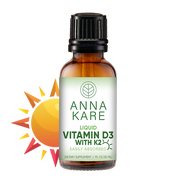
Morning light also plays a role in vitamin D production, a nutrient closely connected to energy levels, mood balance, and overall resilience. Especially during darker months, regular exposure to natural light becomes an important signal for the body, even when sunlight feels limited.
This might look as simple as standing by a window and letting the morning light reach your face. Do not look directly into the sun, as this can be harmful to your eyes – soft, indirect daylight is all the body needs to support a healthy internal clock and reinforce these natural rhythms.
Over time, this simple habit supports the body’s day–night cycle without forcing schedules, tracking apps, or perfection.
Try this:
Step into natural light shortly after waking, before screens. Keep your gaze soft and relaxed, and allow the light to gently signal the start of your day.


3. Let the Body Generate Some of Its Own Warmth
We often treat warmth as the solution to everything, but the body is designed to regulate temperature dynamically. Mild exposure to fresh air or slightly cooler temperatures encourages circulation and allows the body to participate in generating its own warmth.
This idea isn’t new. Long before modern wellness trends, Sebastian Kneipp emphasized the value of fresh air and brief, gentle exposure to cooler temperatures as a way to support circulation and overall resilience.
This isn’t about being cold or uncomfortable, and it’s certainly not about pushing through discomfort. It’s about not over-insulating by default and allowing the body to do some of the work it’s naturally designed to do.
Over time, regularly spending a little time outdoors – even in cooler weather – can help the body adapt more easily to seasonal changes and feel more robust in everyday conditions.
Try this:
Take a short walk in fresh air dressed comfortably but not overly bundled. Let movement do some of the warming, and pay attention to how your body responds. Stop if you feel chilled or tense.
4. Hum Before You Transition or Move
Humming is a surprisingly effective way to support the nervous system. The gentle vibration created by humming encourages nasal breathing and can help signal a sense of ease and safety in the body.
This simple act engages the breath without effort and creates subtle vibrations that many people find calming, especially during moments of transition – before starting a task, leaving the house, or shifting from one activity to another.
If humming on your own feels unfamiliar, try doing it along with music that’s already playing – in the car, while cooking, or on a walk. Many people hum instinctively without realizing it, and the body still receives the benefit.
Humming doesn’t require technique, consistency, or privacy. It’s a small, accessible way to bring the nervous system back into balance throughout the day.
Try this:
Before beginning something new, hum softly for 10–20 seconds. Notice how your breath and body feel afterward.
5. The 20-Second Run Habit
Running remains one of the most beneficial forms of movement for long-term health, yet for many people it feels difficult to begin. The movement can feel challenging, the breath doesn’t seem to come quickly enough, and uncomfortable past experiences can make running feel intimidating.
The 20-second run habit offers a gentle way in. By stopping before strain or resistance sets in, the body learns that increased breath and movement can feel manageable. Over time, this can help rebuild confidence with running and other forms of more dynamic movement.
Twenty seconds may sound insignificant, but the body adapts through brief, repeatable experiences. Even short bursts of movement can support circulation and help the body recover more easily from physical effort.
The goal isn’t to push harder or go longer. It’s to create a positive association with movement that the body can build on naturally.
Remember, bringing along Cellergy, an oral spray combining all 12 cell salts, can be a simple way to support the body before or after movement. It’s often used during times of physical exertion, fatigue, or when recovery and hydration feel especially important, particularly when movement is new or feels demanding.
Try this:
A few times a week, move just fast enough that your breath changes for about 20 seconds. Stop while it still feels manageable, and notice how your body feels afterward.

6. Discover the Cell Salts Your Body Needs Most
One of the most empowering health habits is learning to recognize patterns in how your body communicates. Rather than searching out new trends or one perfect solution, many people discover that there are often several cell salts that can support them at different times, depending on what the body is asking for.
Cell salts work on a foundational level, supporting the body’s natural ability to regulate, adapt, and restore balance. The cell salts that support you may be influenced by recurring symptoms, key functions you want to nourish, the organs most involved, facial signs, food cravings, or even seasonal and emotional patterns. Over time, these observations can offer meaningful insight into what your body responds to best.
If you’d like a simple place to begin, Cell Salts 101 offers a clear introduction to the 12 cell salts and the many ways people begin to understand which ones support them most. For those who want to explore more deeply, AnnaKare also offers an in-depth Intro to Cell Salts course taught by certified homeopaths, as well as a Cell Salts for Women Guide that looks at common patterns many women experience.
There’s no need to learn everything at once. Cell salts are often explored gradually, with awareness and curiosity guiding the process. What supports you now may shift over time – and that flexibility is part of their strength.
Try this:
Notice patterns that repeat – energy levels, tension, cravings, or recovery needs – and let those observations guide which cell salts you explore first.

Cell Salts 101 Guide
to download and print
Closing Thoughts
Health doesn’t have to start with force. Often, the most meaningful changes begin with small moments of awareness – a yawn, a breath, a few seconds of movement, a bit of light.
You don’t need to adopt all six habits. Even one is enough to begin shifting how you relate to your body this year.
Frequently Asked Questions
Do I need to practice all six habits to see benefits?
Not at all. These healthy habits are meant to be invitations, not a checklist. Even choosing one and practicing it gently and consistently can support greater awareness and balance over time.
Is the 20-second run really enough to matter?
Yes. Short, intentional movement like the 20-second run helps the body adapt without stress. Over time, these brief bursts can support confidence with running and make regular movement feel more accessible.
Is it safe to expose myself to cooler air in winter?
Brief exposure to fresh air or slightly cooler temperatures is generally well tolerated when done gently and with awareness. This isn’t about being cold or uncomfortable – it’s about allowing the body to participate in regulating its own warmth. Always listen to your body and stop if you feel chilled or tense.
How do these habits support sleep?
Many of these habits support sleep indirectly by helping regulate the nervous system and daily rhythm. Practices like morning light exposure, gentle movement, and calming habits such as humming can all support a more natural sleep–wake cycle without forcing sleep itself.
Content and product descriptions are grounded in traditional homeopathic and natural wellness practice. They have not been evaluated by the Food and Drug Administration. Products are not intended to diagnose, treat, cure, or prevent any disease.